
Nutrition & Recipes
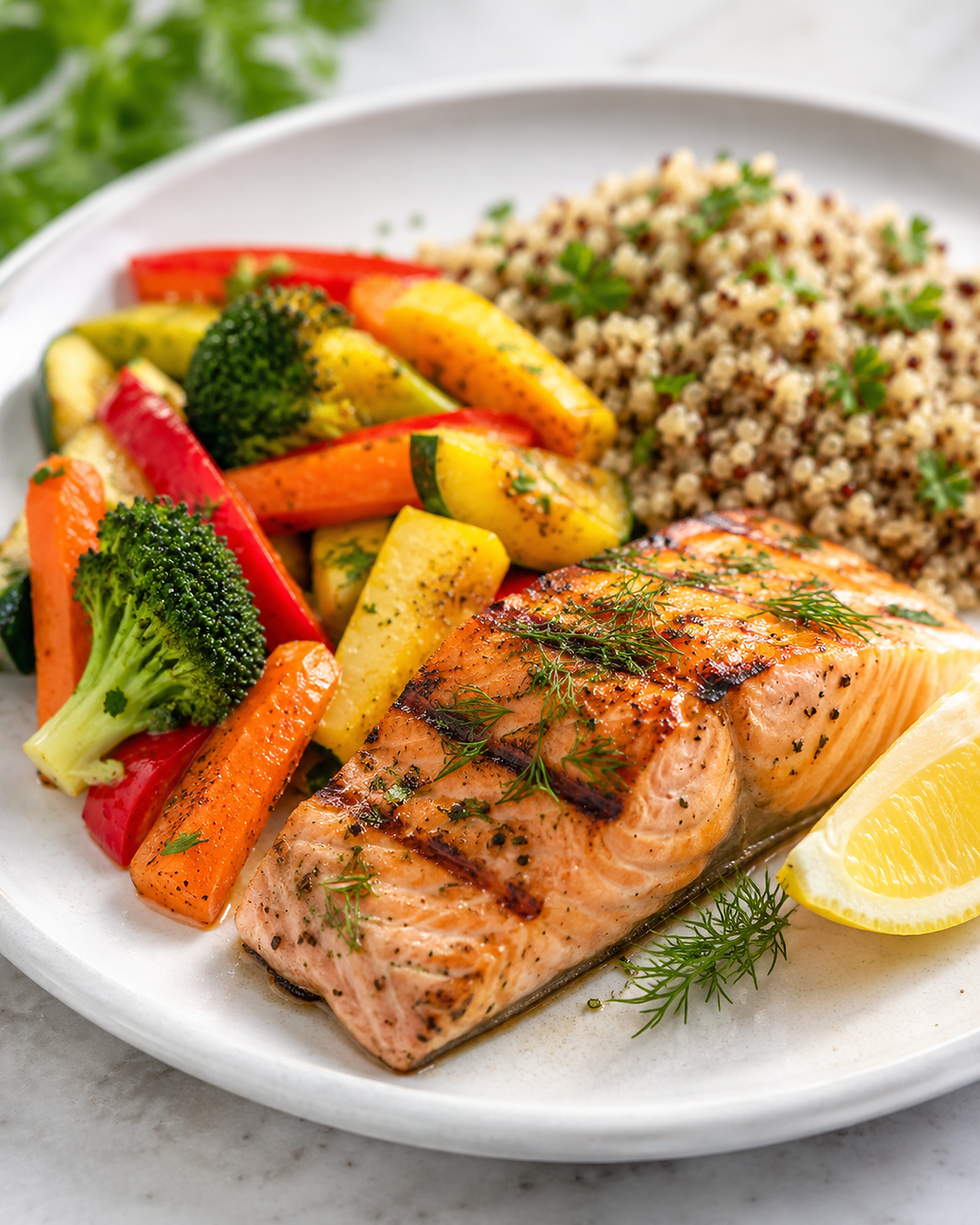
Eat to support health, strength, function and longevity
Metabolism-U nutrition is not built around fad diets, rigid rules, or chasing perfection.
The goal is to use practical, evidence-based nutrition to support metabolic and cardiovascular health, preserve and build muscle, improve body composition, promote recovery and help maintain lifelong physical independence.
Food should do more than provide calories. It should help support the body you want to keep living in.
Protein & Muscle
Support muscle maintenance, growth, recovery, strength, and healthy aging throughout adequate protein intake, high-quality food choices, and consistent meal patterns.
THE METABOLISM-U NUTRITION FRAMEWORK
Nutrition should support the whole person - not just body weight
Metabolic & Cardiovascular Health
Use nutrition to support glucose regulation, lipid health, blood pressure, cardiovascular risk reduction, and overall metabolic health.
Eat to fuel health today - and build reserve for tomorrow
SECTION 2
Body Composition & Energy Balance
Understand how calorie intake, energy expenditure, protein, food quality, and activity interact to influence fat loss, muscle gain, and long-term weight maintenance.
Food Quality & Healthy Aging
Prioritize fiber, healthy fats, micronutrients, hydration, and nutrient-dense foods that support gastrointestinal health, kidney function, cognitive health, recovery, and overall well-being.
Protein Provides the amino acids needed for muscle
maintenance, grown, recovery, and many essential functions througnout the body
Adequate fluid intake supports circulation, temperature regulation, kidney function, digestion, cognition, and physical performance.
1. Protein
Build, repair, and preserve muscle.
5. Hydration
Support performance,
recovery. and normal
physiology.
Understand the building blocks of nutrition - and how to use them to support health, muscle, performance, and healthy aging
Carbohydrates provide an important source of energy for the brain and working muscles. Food quality. quantity, and individual metabolic needs all matter.
6. Vitamines & Minerals
Micronutrients support bone,
muscle, nervous-system, immune, metabolic, and cardiovascular function. A nutrient-dense diet should provide the foundation.
Good nutrition is not about perfection. It is about consistently giving your body what it needs to adapt, recover, and remain capable.
Nutrition Fundamentals
2. Carbohydrates
Fuel activity, training, and recovery.
Small nutrients with
essential roles
SECTION 3
Support health, hormones and nutrient absorption.
Dietary fats provide essential fatty acids, help absorb fat-soluble vitamins, and influence
cardiovascular and
metabolic health.
7. Meal Structure & Timing
How meals are distributed throughout the day can influence protein intake,
appetite, training, recovery, glucose control, and overall
dietary consistency.
3. Dietary Fats
Build an eating pattern you can sustain.
Support metabolic and gastrointestinal health.
Both soluble and insoluble
fiber contribute to
gastrointestinal function, satiety glucose regulation, lipid health and a healthy dietary pattern.
Nutrition needs evolve with aging, activity, health status, body composition, training goals, illness, recovery, and changing physiological demands,


